A federal order closed the waters off Texas to red snapper harvest and possession by the private angling component from November 21 through December 31, 2026. An out-of-state boat fishing that water falls under the same closure.
Florida’s October bulletin put a combined recreational vessel limit on gag and black grouper in Atlantic state waters, including all Monroe County waters. Its text specified October 28 as the effective date.
A federal rule effective October 2 removed the February–March recreational closure for shallow-water groupers seaward of the Gulf’s 20-fathom boundary. NOAA identified red grouper as the species for which the change would make a practical difference.
Florida’s Atlantic experiment paired a 14-day red snapper season with a trip declaration. The October 9–22 window included private and for-hire boats in Florida’s Atlantic state and federal waters.
A Pensacola angler looking at Thanksgiving can find four consecutive dates on Florida’s revised 2026 Gulf calendar: November 26–29. The September revision added eight October fishing days and carried forward the holiday opportunities already on the calendar.
Monroe County and Biscayne National Park had a six-lobster daily allowance per active harvester during the July 29–30 sport season. FWC put the ordinary sport-season allowance elsewhere in Florida at twelve.
NOAA’s June announcement gave recreational boats in federal Gulf waters a September 1 opening and an October 14 closure at 12:01 a.m. local time. The last full harvest day under that schedule was October 13.
The April announcement gave federally permitted Gulf reef-fish charters and headboats a summer window stretching well into October. It ran from 12:01 a.m. local time June 1 to the same time October 26.
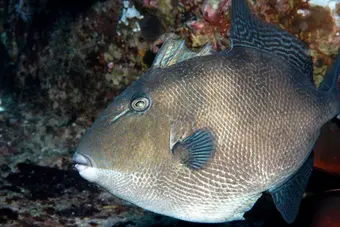
For Florida reef anglers, the March 1 opening came with a measurement worth remembering. FWC specified 15 inches to the fork of the tail, with a daily bag of one gray triggerfish per person.
The September end to the 107-day summer charter season did not end all of 2025’s federal red snapper fishing. On December 11, NOAA announced a second window for federally permitted Gulf reef-fish charters and headboats.
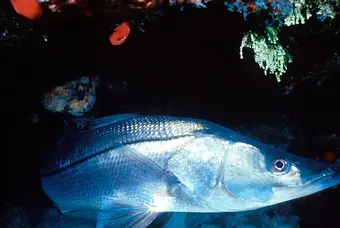
The Panhandle’s last fall day for keeping a snook was November 30 in 2025. A December 15 date in the same announcement belonged to Florida’s east coast, two weeks later.
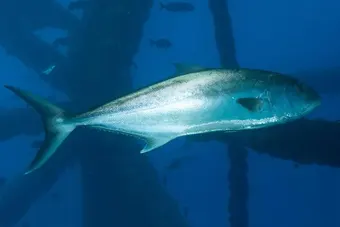
Florida closed recreational greater amberjack harvest in its Gulf waters at 12:01 a.m. on September 27, 2025. The executive order aligned the state closure with the one in adjacent federal waters.
Off Pensacola, the federal harvest window opened September 1 and closed one minute after midnight on September 15. Florida later announced matching fishing days in adjacent state waters.
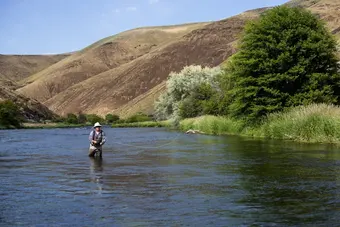
Oregon’s July update drew a distinction that mattered to anyone carrying a rod. Two designated stretches closed to all angling in midsummer. On the John Day, the later closure applied specifically to fishing for and retaining salmon and steelhead.
Florida’s May 30 notice put the last spring harvest day for Gulf gray triggerfish on May 31. The closure covered June and July in both state and federal waters.
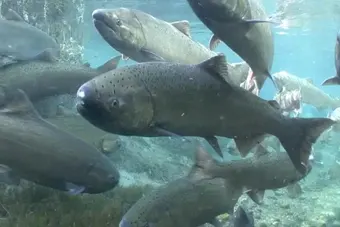
On May 20, Oregon biologists expected no spring Chinook fishery at Lookingglass Creek. Tagged fish bound for this Grande Ronde tributary were showing up in unusually low numbers.
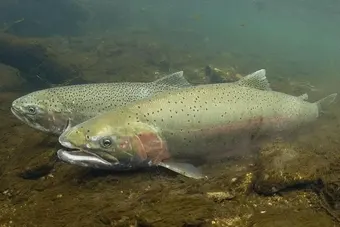
When the Rogue–South Coast winter season ended April 30, ODFW asked anglers to report their wild steelhead paper tags, including tags on which they had recorded no harvest.
The Pacific Fishery Management Council picked different coho fisheries for summer and September in its April plan. An angler comparing the two needed to check the cape, the month and whether the fish was marked.
After the preseason calendar ended on April 7, Oregon and Washington added April 11–13 and April 15–17. The Monday between them gave managers time to review the first block’s catch.
March 13 was the last retention day in the stretch between John Day and McNary dams. The decision covered adjacent tributaries as well as the Columbia mainstem.
The lower Willamette got a two-month head start in 2025. The two-rod allowance began March 1 below the falls and May 1 above them, giving anglers with the appropriate validation different windows on the same river.
From February through June, an angler’s stretch of the Umpqua determined whether a wild spring Chinook could go home. Oregon kept hatchery spring Chinook available on both the mainstem and the North Umpqua.
The first Saturday on the winter calendar never arrived for anglers hoping to take home a white sturgeon. Oregon and Washington stopped retention in two Columbia River pools after the New Year’s Day opener.