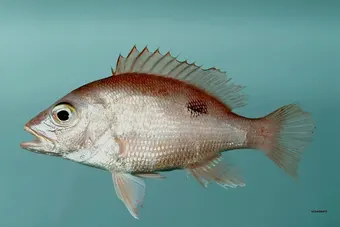
A federal order closed the waters off Texas to red snapper harvest and possession by the private angling component from November 21 through December 31, 2026. An out-of-state boat fishing that water falls under the same closure.
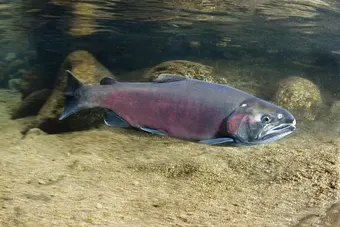
During the August–October 2026 management period, Oregon’s preliminary catch summary put the Buoy 10 recreational harvest at 64,490 coho and 33,283 Chinook. Upstream, the mix of fish anglers took home was almost the reverse.
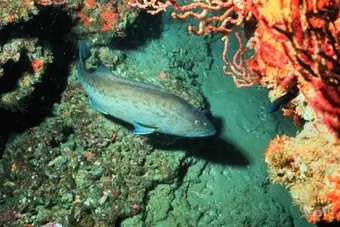
Florida’s October bulletin put a combined recreational vessel limit on gag and black grouper in Atlantic state waters, including all Monroe County waters. Its text specified October 28 as the effective date.
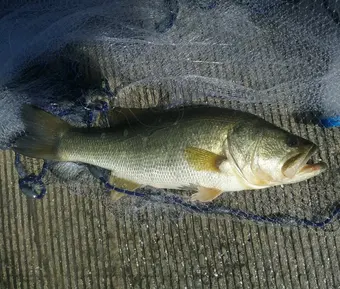
Florida’s wildlife agency singled out eight bass ahead of its 2026 TrophyCatch awards. The Hall of Fame group recognizes anglers who caught and released Florida bass weighing at least 13 pounds.
A federal rule effective October 2 removed the February–March recreational closure for shallow-water groupers seaward of the Gulf’s 20-fathom boundary. NOAA identified red grouper as the species for which the change would make a practical difference.
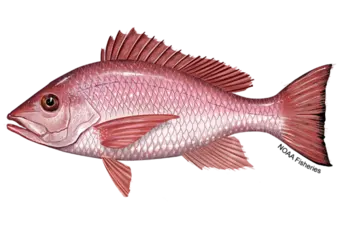
Florida’s Atlantic experiment paired a 14-day red snapper season with a trip declaration. The October 9–22 window included private and for-hire boats in Florida’s Atlantic state and federal waters.
A Pensacola angler looking at Thanksgiving can find four consecutive dates on Florida’s revised 2026 Gulf calendar: November 26–29. The September revision added eight October fishing days and carried forward the holiday opportunities already on the calendar.
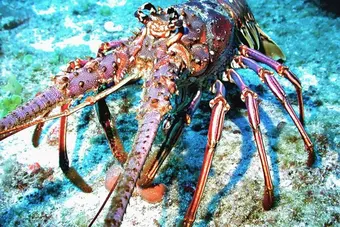
Monroe County and Biscayne National Park had a six-lobster daily allowance per active harvester during the July 29–30 sport season. FWC put the ordinary sport-season allowance elsewhere in Florida at twelve.
Steve Blivin described an eight-hour June 2 trip with Blue Water Excursions that ran 30–40 miles offshore from Port Aransas. In his passenger review he reported a red snapper limit for the party. Three days later, another Port Aransas operator, Gulf Magic Fishing, reported limits on its own recent snapper trips.
NOAA’s June announcement gave recreational boats in federal Gulf waters a September 1 opening and an October 14 closure at 12:01 a.m. local time. The last full harvest day under that schedule was October 13.
The April announcement gave federally permitted Gulf reef-fish charters and headboats a summer window stretching well into October. It ran from 12:01 a.m. local time June 1 to the same time October 26.
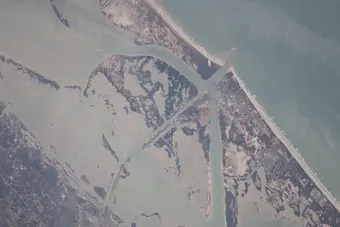
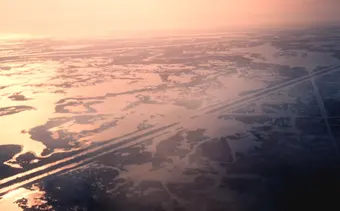
The first monitoring report for the Upper Barataria marsh project found red drum using habitat built with sediment from the Mississippi River. Blue crab and both brown and white shrimp also turned up in the 2024 monitoring.
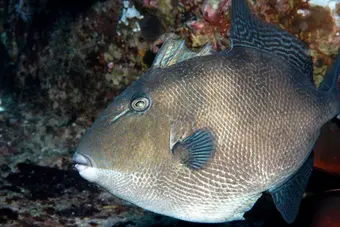
For Florida reef anglers, the March 1 opening came with a measurement worth remembering. FWC specified 15 inches to the fork of the tail, with a daily bag of one gray triggerfish per person.
Fifty boats entered the 89th Silver Sailfish Derby. The West Palm Beach Fishing Club’s January 9 results credit the fleet with 57 sailfish releases on day one and 49 on day two. Thirteen of the 106 released fish were tagged.
By January 6, 2026, state fishery monitors estimated 755 angler trips and 88 white sturgeon kept in John Day Pool. That was already 84 percent of the reservoir’s 105-fish recreational guideline.
The September end to the 107-day summer charter season did not end all of 2025’s federal red snapper fishing. On December 11, NOAA announced a second window for federally permitted Gulf reef-fish charters and headboats.
The Panhandle’s last fall day for keeping a snook was November 30 in 2025. A December 15 date in the same announcement belonged to Florida’s east coast, two weeks later.
Louisiana estimated that anglers landed 947,103 pounds of red snapper during the 2025 private recreational season. The fishery ran from May 1 through November 16. The final estimate was published in Louisiana Sea Grant’s February 2026 issue of Lagniappe.
Florida closed recreational greater amberjack harvest in its Gulf waters at 12:01 a.m. on September 27, 2025. The executive order aligned the state closure with the one in adjacent federal waters.
For September 15–21, 2025, Oregon estimated that recreational boats returning to Winchester Bay brought in 896 coho. Newport accounted for 457 and Garibaldi for 358 in the same weekly ocean salmon survey.
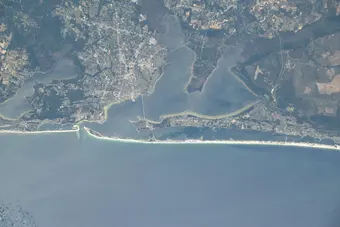
Off Pensacola, the federal harvest window opened September 1 and closed one minute after midnight on September 15. Florida later announced matching fishing days in adjacent state waters.
Frozen squid made William Risher’s short list for Pensacola red snapper in June 2025. A month later, James Callahan gave live bait the edge around reefs and wrecks in 80–120 feet.
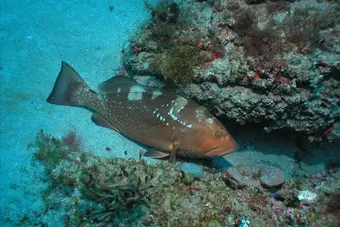
Red snapper appeared on all four charters. The June captains described how they found other fish along the way. Two July passengers showed how different the catch lists could look on trips of the same length.
Oregon’s July update drew a distinction that mattered to anyone carrying a rod. Two designated stretches closed to all angling in midsummer. On the John Day, the later closure applied specifically to fishing for and retaining salmon and steelhead.
Captain Travis Marsh described a six-hour smallmouth trip with two clients on the main Umpqua. His June 25, 2025, entry places the outing the day before and says the clients took about 20 bass home.
Florida’s May 30 notice put the last spring harvest day for Gulf gray triggerfish on May 31. The closure covered June and July in both state and federal waters.
Brad Jonasson caught a 17-inch redside rainbow near the bank at Long Bend in early April 2025. He came back the next day and caught a 15-inch redside in the same spot, according to his contribution to the Clackamas FlyFishers club report.
On May 20, Oregon biologists expected no spring Chinook fishery at Lookingglass Creek. Tagged fish bound for this Grande Ronde tributary were showing up in unusually low numbers.
In a report dated May 13, 2025, Jonathan Laird described three distinct kinds of fishing within reach of Pensacola. His account separated the grass and docks inside the bays, fish passing just off the beaches, and deeper wrecks offshore.
During May 5–11, 2025, the largest share of the lower Willamette spring Chinook harvest came from boats in the downstream survey area. ODFW estimated that those anglers kept 509 Chinook and released another 52.
When the Rogue–South Coast winter season ended April 30, ODFW asked anglers to report their wild steelhead paper tags, including tags on which they had recorded no harvest.
In its lower Rogue creel survey for the 2025 winter season, Oregon estimated that 82 percent of the steelhead catch was wild and 18 percent was of hatchery origin. The previous year’s estimate was 76 percent wild and 24 percent hatchery.
The Pacific Fishery Management Council picked different coho fisheries for summer and September in its April plan. An angler comparing the two needed to check the cape, the month and whether the fish was marked.
After the preseason calendar ended on April 7, Oregon and Washington added April 11–13 and April 15–17. The Monday between them gave managers time to review the first block’s catch.
March 13 was the last retention day in the stretch between John Day and McNary dams. The decision covered adjacent tributaries as well as the Columbia mainstem.
The 2025 winter white sturgeon fishery produced an estimated 1,365 fish kept in Bonneville Pool on January 1. In the neighboring Dalles Pool, anglers kept 260 across four open days, according to the joint management staff’s season review.
The lower Willamette got a two-month head start in 2025. The two-rod allowance began March 1 below the falls and May 1 above them, giving anglers with the appropriate validation different windows on the same river.
From February through June, an angler’s stretch of the Umpqua determined whether a wild spring Chinook could go home. Oregon kept hatchery spring Chinook available on both the mainstem and the North Umpqua.
The first Saturday on the winter calendar never arrived for anglers hoping to take home a white sturgeon. Oregon and Washington stopped retention in two Columbia River pools after the New Year’s Day opener.
Escambia County scheduled its June 2024 ribbon cutting at Heron Bayou, on the west side of Pensacola. The launch at 10808 Lillian Highway was the county’s first large public access to Perdido Bay.
The spring Chinook fishery that opened May 24, 2024, on lower Lookingglass Creek produced a recreational harvest of 172 hatchery-origin salmon, according to Oregon’s subsequent evaluation of the run.